
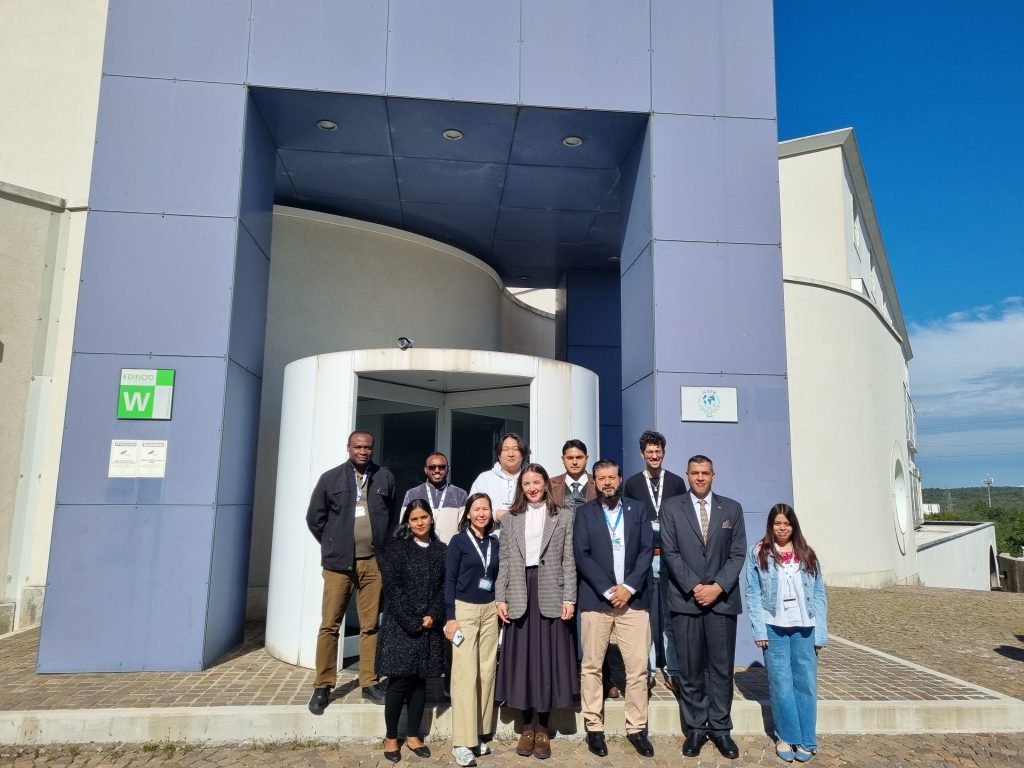
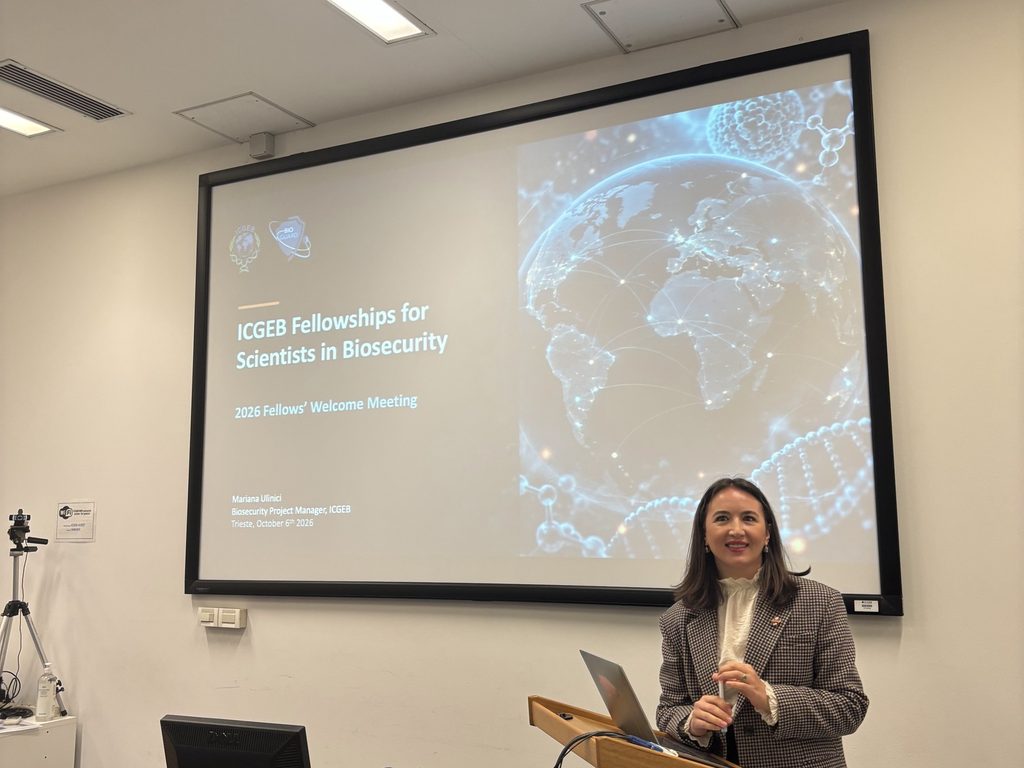
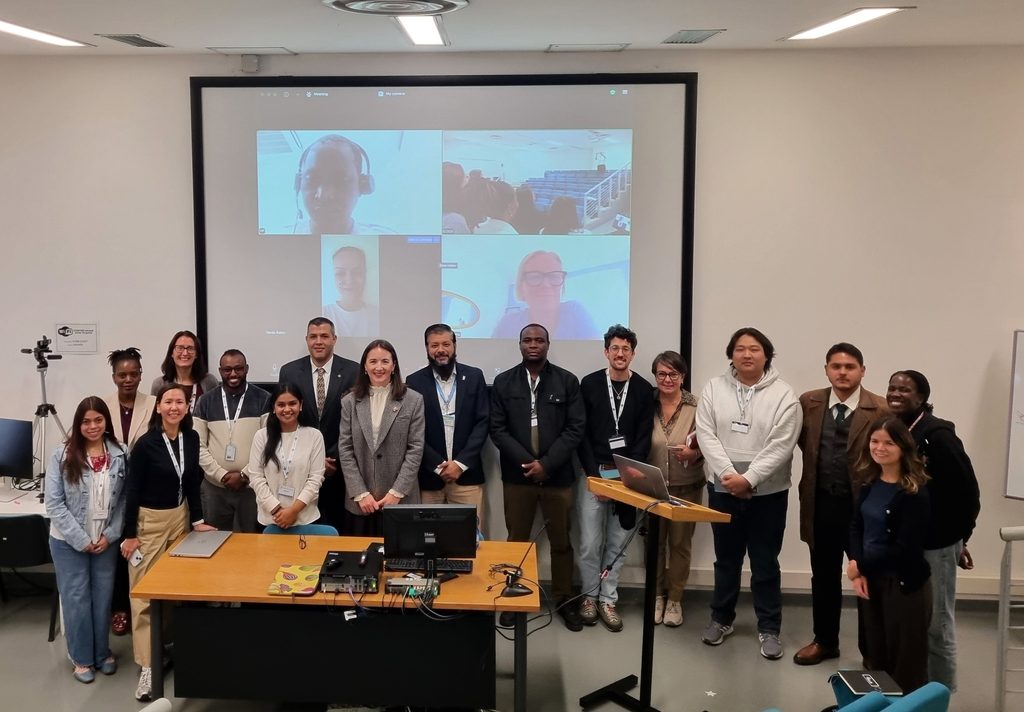
Twelve early-career scientists from as many countries have embarked on their ICGEB Fellowships for Scientists in Biosecurity. They join a network of 127 scientists from 60 countries that has been growing around ICGEB’s biosecurity programme since 2023.
From wastewater-based viral surveillance to rapid diagnostics and the responsible application of artificial intelligence, a new cohort of researchers at ICGEB Trieste and New Delhi is tackling a question with global relevance: how can scientific progress help build a safer world?
The twelve scientists are the first arrivals among 22 fellows selected through a highly competitive international call for the ICGEB Fellowships for Scientists in Biosecurity programme. The initiative brings together early-career researchers to strengthen scientific capacity, build international partnerships and advance biosecurity preparedness. The programme supports hands-on training in life sciences and the detection of, and response to, biological threats. Fellowships are undertaken at ICGEB laboratories in Italy, India and South Africa, and at the Regional Research Centre in China.
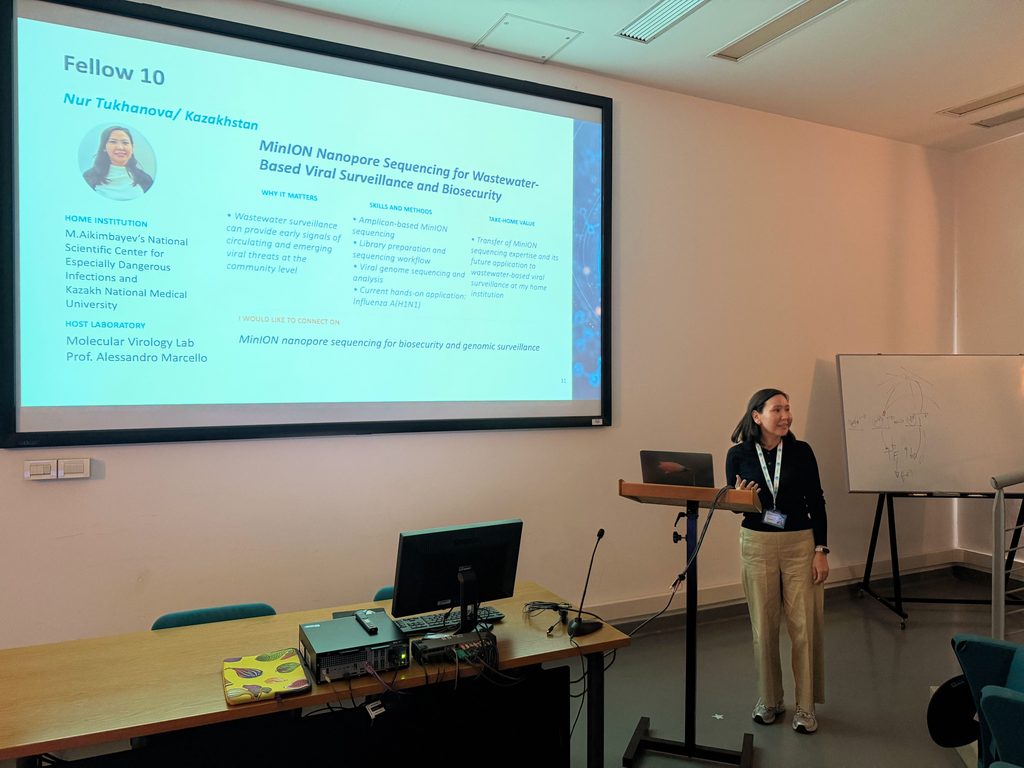
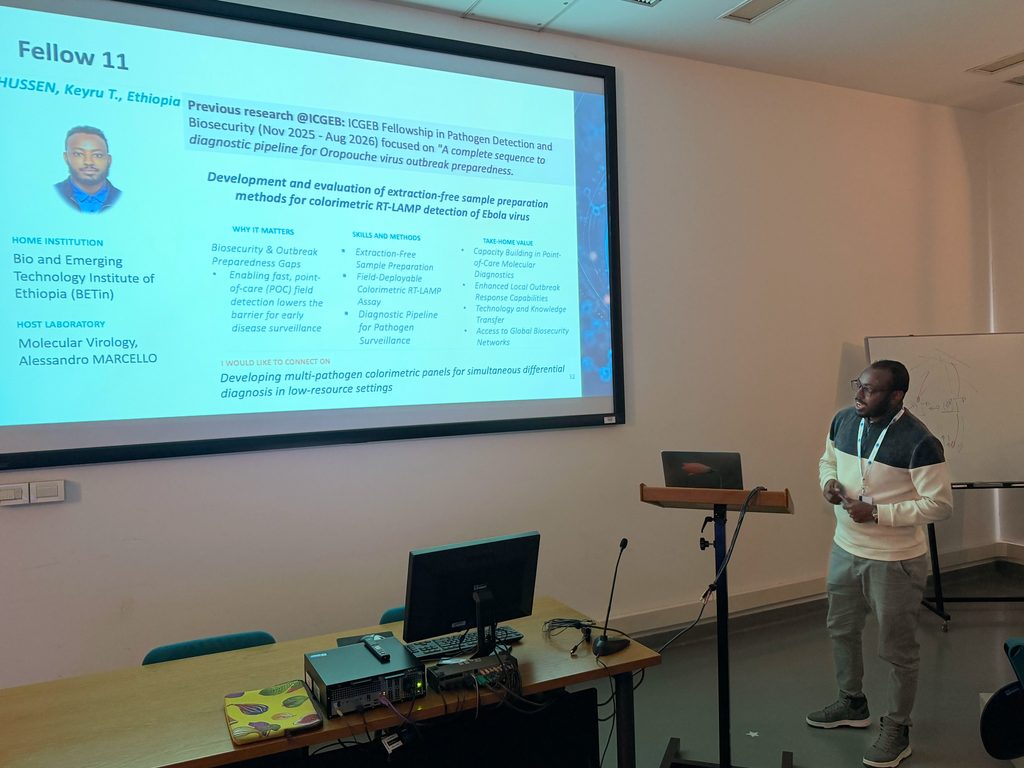
Recognising a biological threat early can make a critical difference to the response. In Trieste, Nur Tukhanova (from Kazakhstan), Keyru T. Hussen (from Ethiopia), Batdolgor Tserendorj (from Mongolia) and Edwin Maringe (from Zimbabwe) are pursuing projects spanning wastewater-based viral surveillance, genomic monitoring, field-deployable diagnostics and antimicrobial-resistance tracking. Their research shares a practical goal: to help health systems detect emerging problems sooner and respond more effectively.
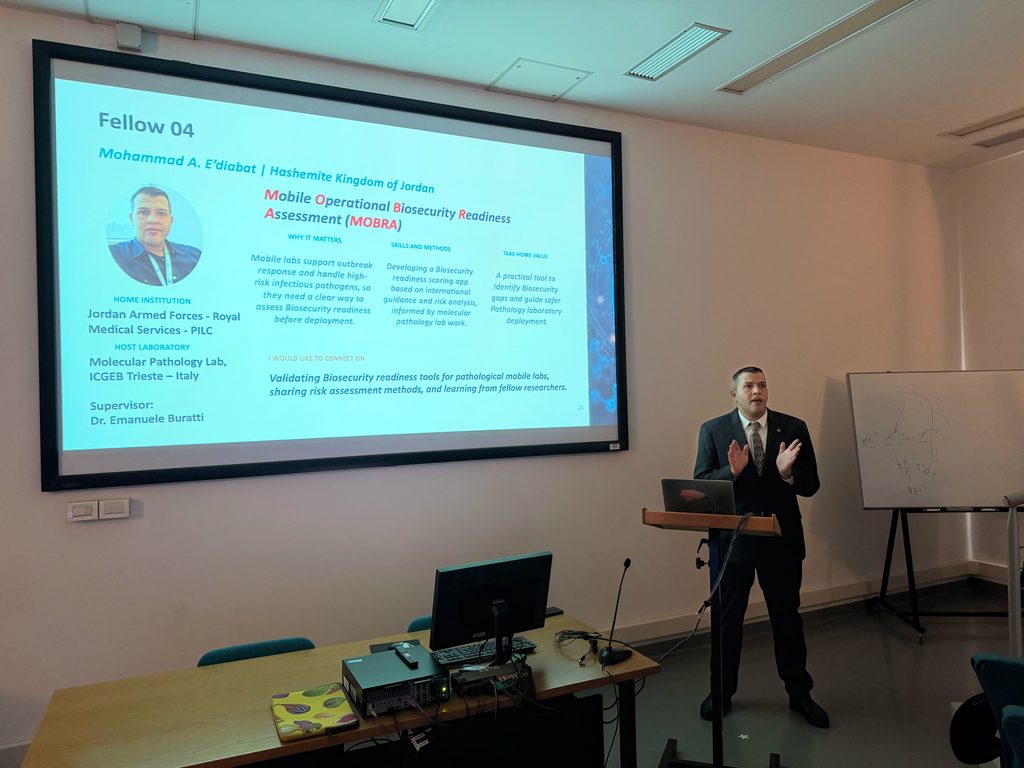
Muhammad Zohaib (from Pakistan) is developing rapid diagnostic tools for Salmonella Typhi and antimicrobial-resistance surveillance. Mohammad A. E’diabat (from Jordan) is designing a framework to assess biosafety and biosecurity readiness in mobile pathology laboratories deployed during outbreaks, addressing the conditions needed to deliver diagnostics safely when services must move closer to affected communities.
Computational biology and artificial intelligence are opening new possibilities for understanding complex biological systems. Bougma Lardja Ali (from Burkina Faso) is applying machine learning and bioinformatics to plant genomics and biosecurity research. Sara J. Reyes Rodriguez (from Mexico) is developing machine-learning approaches to interpret RNA-processing signatures associated with biological threat responses. Naida Babić Jordamović (from Bosnia and Herzegovina) is using advanced transcriptomic and computational methods to investigate molecular responses linked to SARS-CoV-2-associated vascular pathology.
Meanwhile, Javier Nicolas Garay Novillo (from Argentina) is developing a modular platform to accelerate adaptable vaccine development and distributed biomanufacturing. His project aims to support wider, more equitable access to biomedical technologies.
Biosecurity also encompasses the systems that sustain agriculture and food production. Lynnisha Nand (from Fiji) is researching the plant pathogen Dickeya zeae to strengthen diagnostic capacity and support agricultural resilience.
Finally, Bruno Cevallos (from Peru) is exploring governance frameworks at the intersection of the biological and chemical weapons conventions. His work brings policy and international cooperation into the conversation about responsible scientific advancement.
This training is delivered through BIO-GUARD, ICGEB’s capacity-building programme implemented in cooperation with the Biological Weapons Convention Implementation Support Unit (BWC ISU), with support from the governments of Italy, Norway and the United Kingdom. The programme is modular, containing practical courses, fellowships and grants. Six editions of practical courses were hosted by the ICGEB components in Trieste, Cape Town and New Delhi, training 99 professionals. The trainings were highly competitive, as each call had received 300 to 500 applications for approximately 20 places in each practical course. Fellowships have been awarded to 33 scientists, while two-year research grants awarded in 2025 are helping laboratories in Kenya and Zimbabwe to strengthen biosecurity, genomic surveillance and biobanking. The guiding principle is to enable locally to protect globally.
The fellowships and the BIO-GUARD initiative as a whole are scientifically coordinated by Dr. Alessandro Marcello, Group Leader of the Molecular Virology Laboratory at ICGEB Trieste, which hosts three of the twelve fellows. The remaining fellows are hosted by the Computational Biology, Molecular Pathology, Biomanufacturing, Bacteriology, RNA Biology, Antimicrobial Resistance and Regulatory Science groups in Trieste, and by the Translational Bioinformatics Group at ICGEB New Delhi.
BIO-GUARD supports Article X of the Biological Weapons Convention (BWC). Opened for signature in 1972 and now with 189 States Parties, the Convention prohibits biological weapons and promotes the peaceful use of the life sciences. Under Article X, States Parties undertake to facilitate “the fullest possible exchange of equipment, materials and scientific and technological information” for peaceful purposes.
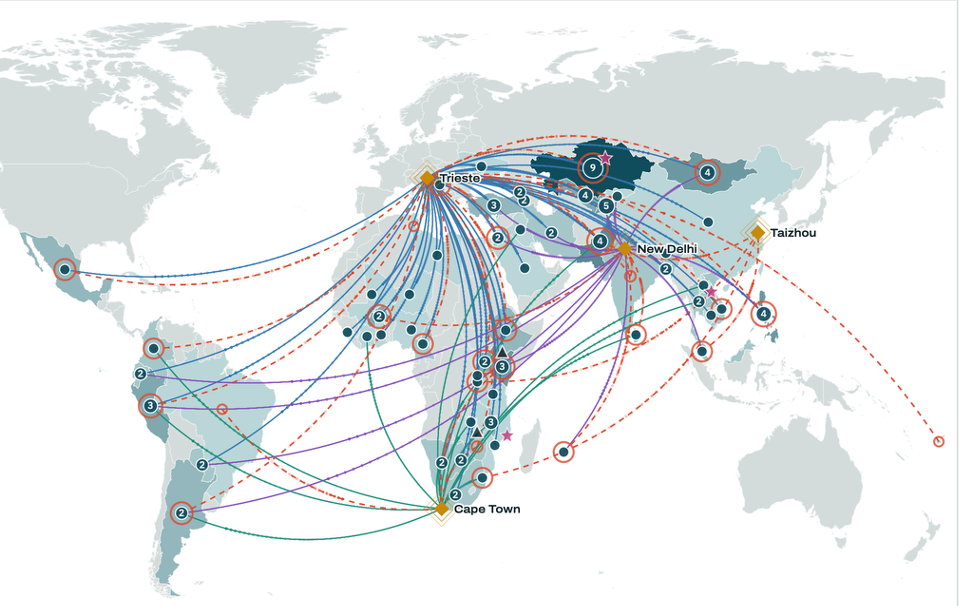
The map shows the 127 people from 60 countries who have taken part in ICGEB biosecurity programme. Dark circles mark the home countries of the 99 course participants, with the number of participants inside the circle when there is more than one. The colour of each line shows which ICGEB centre hosted the course: Trieste (blue), Cape Town (green) or New Delhi (purple). Red rings mark the home countries of the fellows, and dashed red lines link each of them to the ICGEB centre where the fellowship takes place: Trieste, New Delhi or RRC in Taizhou, China. Five course participants later became fellows. Gold diamonds are ICGEB centres, pink stars mark participants selected for the Youth for Biosecurity initiative, and triangles mark the two research grants awarded to laboratories in Kenya and Zimbabwe. The darker a country is shaded, the more people it has in the network.