ICGEB joins leading universities and scientific organisations in the Alliance of Open Life Sciences, opening new opportunities for international research cooperation, scientific training, open science and researcher mobility.
Hong Kong, 3 November 2026 – The International Centre for Genetic Engineering and Biotechnology (ICGEB) has joined the Alliance of Open Life Sciences, an international network bringing together leading universities, research institutions and scientific organisations committed to advancing scientific excellence, open knowledge and international cooperation.
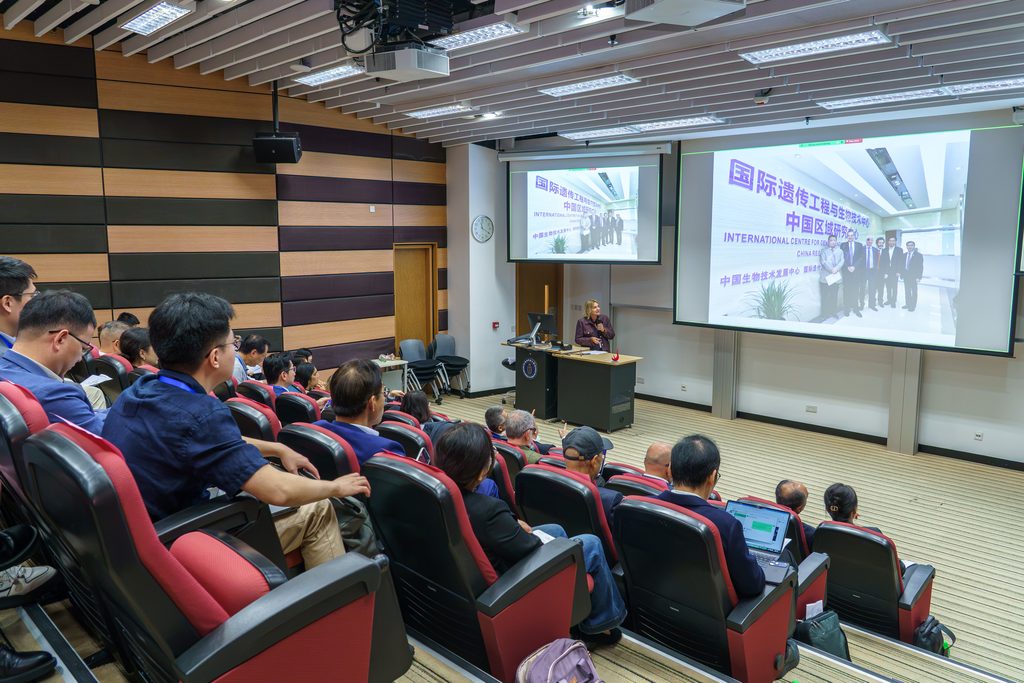
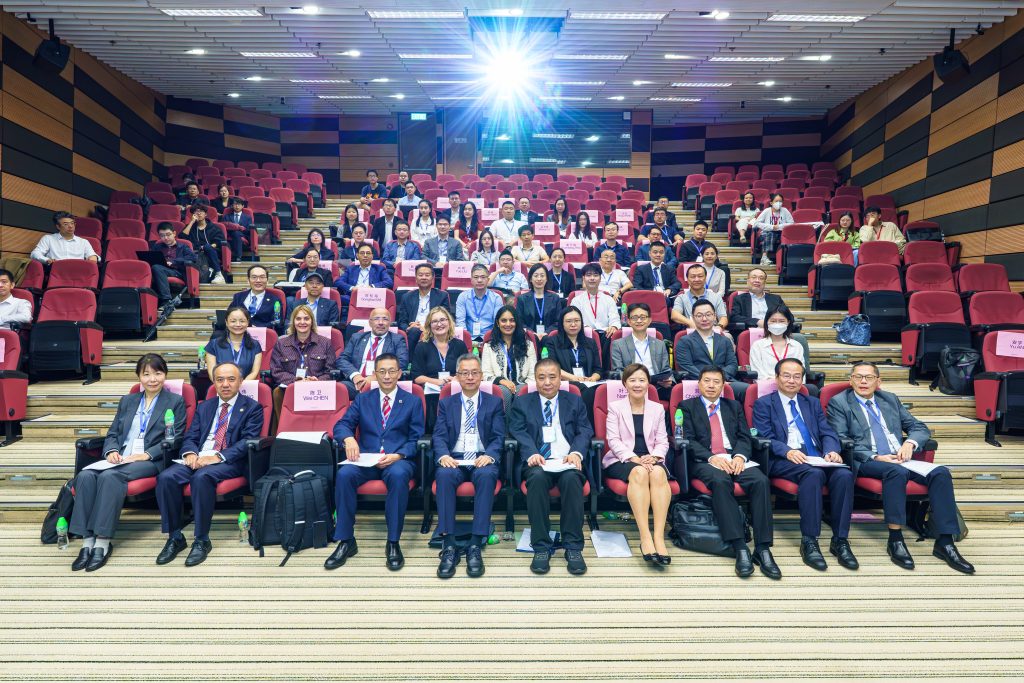
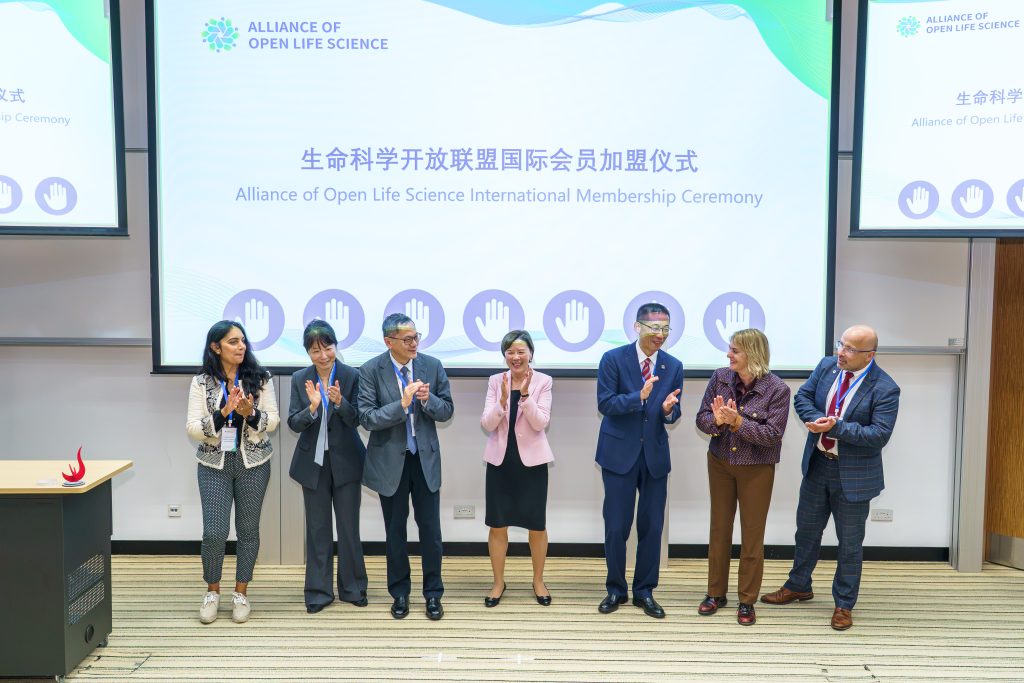
ICGEB’s participation was formalised during the World Class University Presidents Forum – Alliance of Open Life Science International Young Scholars Forum, held on 3 November 2026 at the Hong Kong University of Science and Technology (HKUST), under the theme “Empowering Young Scholars – Energizing Open Life Sciences.”
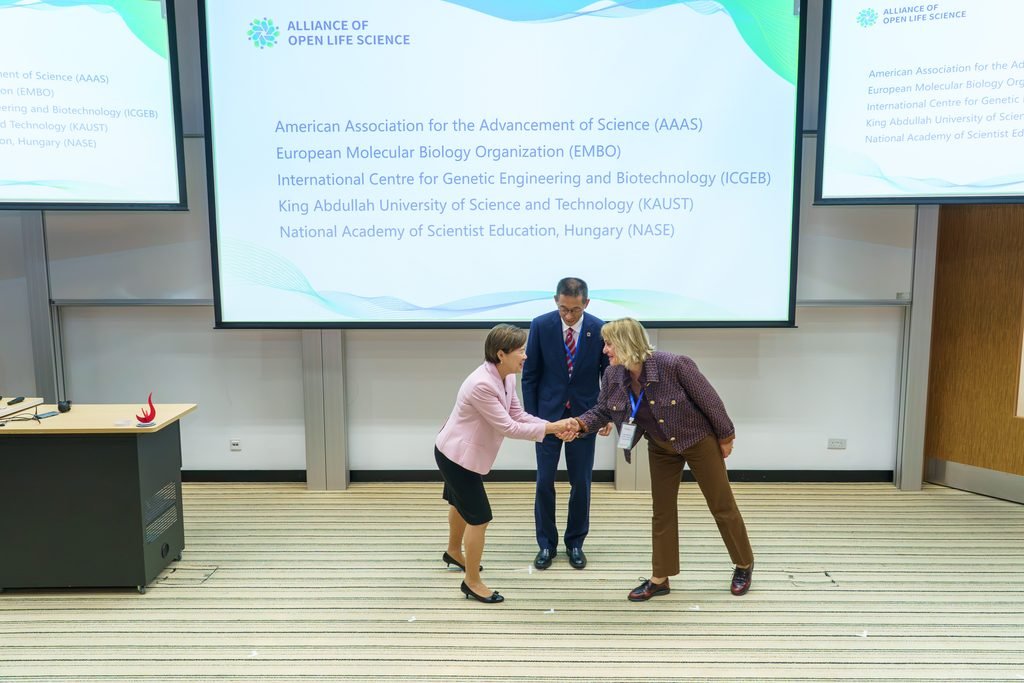
The Alliance brings together 45 member institutions, including internationally recognised universities and scientific organisations such as Fudan University, Peking University, Tsinghua University, Westlake University, the University of Hong Kong, the European Molecular Biology Organization (EMBO), the American Association for the Advancement of Science (AAAS) and King Abdullah University of Science and Technology (KAUST).
For ICGEB, membership represents an important opportunity to expand its international scientific partnerships, strengthen connections with leading research institutions in China and beyond, and promote equitable access to scientific knowledge, training and research opportunities.
Strengthening International Cooperation and Scientific Talent
Representing ICGEB at the Forum, Suzanne Kerbavcic, Head of Communication, Public Information and Outreach, participated in the Alliance’s international member ceremony and contributed to high-level discussions on global scientific talent development, researcher mobility and cross-border cooperation.
The Forum was opened by Professor Nancy Ip, President of HKUST, and Nan Li, Vice-President of the China Association of Higher Education. Professor Li Jin, President of Fudan University, and member of the ICGEB Council of Scientific Advisers, delivered a keynote address outlining the Alliance’s vision for international scientific cooperation and the challenges and opportunities facing the global life sciences community.
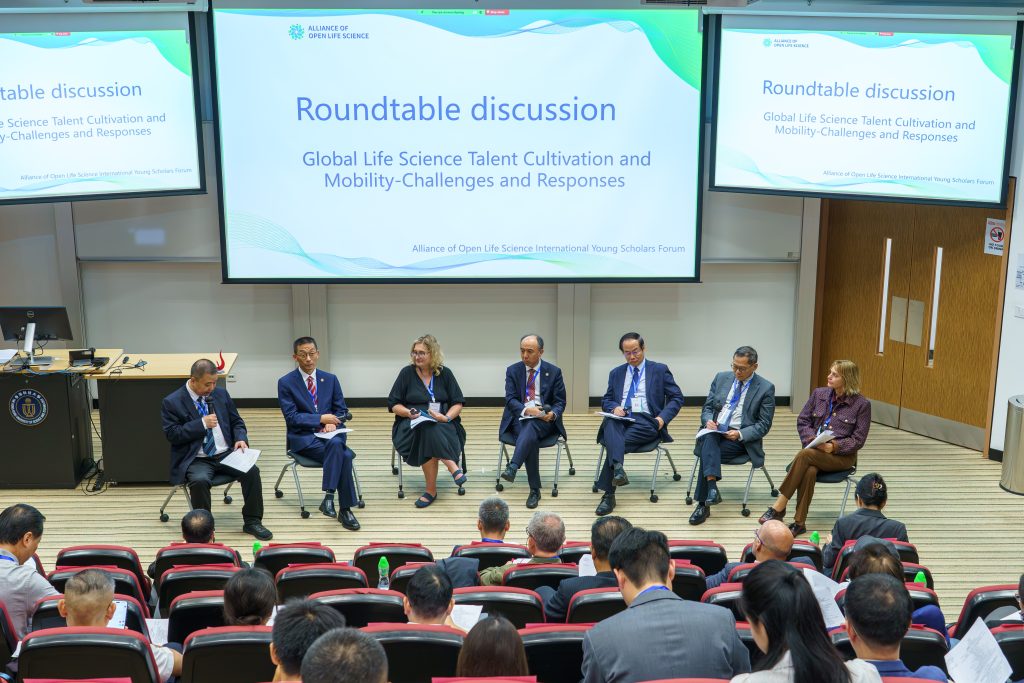
During the roundtable discussion, “Global Life Science Talent Cultivation and Mobility – Challenges and Responses,” ICGEB highlighted its longstanding commitment to international scientific training and capacity building.
Since 1988, ICGEB has supported the development of scientific talent through international fellowship programmes, collaborative research and training initiatives, enabling researchers from its Member States to acquire advanced expertise, establish international networks and strengthen research capacity in their home countries.
Particular emphasis was placed on ICGEB’s Collaborative Research Programme (CRP) Return Grants, which support researchers returning to their home countries, and South–South mobility opportunities that promote scientific cooperation and knowledge exchange between developing countries.
Discussions also explored innovative approaches to researcher assessment, shared scientific infrastructure, joint mentorship and the importance of maintaining international research networks throughout scientists’ careers.
Advancing Open Science and Equitable Access to Knowledge
A central priority of the Alliance is to promote openness, sharing and collaboration across the life sciences.
Its initiatives include shared biological resources, research data, preprint services, international student exchanges and open-access scientific publishing.
The Forum introduced Vita, an open-access scientific journal associated with the Alliance, designed to support the dissemination of high-quality research without publication fees.
ICGEB highlighted its commitment to open science, including its endorsement of the San Francisco Declaration on Research Assessment (DORA), which promotes the evaluation of scientific research on its own merits rather than relying primarily on journal-based metrics.
These principles closely align with ICGEB’s mandate to facilitate access to scientific knowledge, strengthen research capabilities and reduce barriers to participation in international science, particularly for researchers in developing countries.
Connecting the Next Generation of Scientists
The Forum also showcased innovative research by emerging scientists working across fields including genomics, proteomics, synthetic biology, cancer research, computational biology and artificial intelligence.
Presentations from the Alliance’s Global Collegiate Life Sciences Competition highlighted the potential of international scientific networks to identify promising young researchers, encourage interdisciplinary innovation and accelerate the translation of discoveries into practical applications.
Through its membership, ICGEB will be well positioned to explore opportunities for scientific exchanges, collaborative training, mentorship and engagement with emerging researchers across the Alliance’s institutional network.
These opportunities complement ICGEB’s existing programmes in advanced biotechnology training, international fellowships and scientific capacity building across its Member States.
By joining the Alliance of Open Life Sciences, ICGEB reinforces its commitment to building bridges between scientific communities, advancing equitable access to research opportunities and empowering the next generation of scientists worldwide.